Council reveals spending plans
In the coming year, the Vale of Glamorgan Council will spend more on schools, social services, roads, public spaces, and new homes for local people to rent.
Details of these and other areas where money has been allocated are set out in the budget, which was agreed at a meeting of all Councillors on Monday night.
A total of £0.5 billion will be spent on developments over the next five years, including:
- Over £55 million set aside for new schools and a further £29 million to follow.
- £10 million to improve existing school facilities.
- £4.6 million for specialist older persons’ accommodation.
- £11 million for highway improvements.
- £1 million on improved streetlighting.
- £281 million towards a housing improvement programme, including the construction of new properties.
- £21.2 million Pride in Place funding for a business development unit, watersports centre, housing and a park at the Mole on the Barry waterfront.
Cllr Lis Burnett, Leader of the Vale of Glamorgan Council, said:
“Vale residents have told us what’s important to them through the recent budget consultation and we have prioritised those areas in our spending plans.
“In addition to money already allocated to meet existing schools’ costs, £2 million has been committed to further support schools.
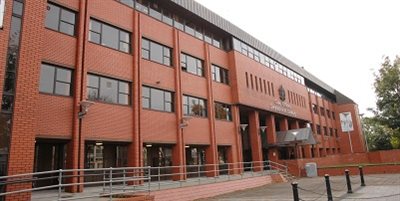 “St Richard Gwyn High School is one of the latest to receive a multi-million-pound school building as it becomes the fourth and final secondary school in Barry to have a brand new home.“Many other schools across the Vale have also been significantly improved, offering pupils state of the art facilities, ultra-modern learning spaces and the very best platform for success.
“There will be investment to support children with Additional Learning Needs and money to meet the growing demand for adult and children’s social services.
“As a result of last night’s decision there will be over half a million pounds to increase support for youth services and another half a million to improve rural public transport, ensuring young people have access to activities, advice and opportunities whilst also delivering increased public transport options to improve connectivity for those living in the Western Vale.
“The additional funding will help expand the reach of the Youth Service, providing early support, wellbeing activities and safe spaces where young people can build confidence and resilience. This will include greater engagement with schools, more after-school opportunities and additional support for youth clubs across the Vale, particularly in communities where that support is needed most.
“People also wanted to see highway improvements so we have allocated money for a programme of work that will fill potholes, resurface roads and repair pavements alongside a focus on increased town centre cleaning and maintenance.
“Street lighting will be improved and funds used to enhance public buildings, with Penarth Pier and Barry Town Hall and Library among those first on the list.
“More Council homes will also be built to meet soaring demand for these types of properties and money spent on outdoor spaces, coastal resorts and leisure centres as well as initiatives to make the Vale cleaner and greener.”
In total, the Council’s revenue budget for the next financial year is £355 million, most of which is made up of a financial settlement from Welsh Government, along with council tax contributions and a share of business rates from across Wales.
That is used to pay for the full range of council provision, including schools, a range of educational support for children, adult and children’s social care, housing and homelessness support, highway work, waste and recycling services, maintaining outdoor spaces and more.
Around 70 per cent of the budget is spent on social care and education, two of the many service areas that the Council is legally required to fund and deliver and those our residents say we should prioritise.
The Council’s costs have climbed sharply in recent years due to increased demand for social care and a growing number of children with Additional Learning Needs (ALNs) requiring specialist provision that is expensive.
Supporting all areas of Council responsibility has proved especially challenging over the last decade because of reduced real terms funding, rising inflation and interest rates and increased demand for bespoke support.
However, the picture has improved for 2026/27 after a better-than-expected settlement from Welsh Government.
Last year, the Council made around £7 million worth of savings to stay within budget.
That increases effectiveness and saves money by delivering services differently.
The budget includes a council tax increase of 6.5 per cent made up of a 5.5 per cent increase to the main budget and a further 1 per cent rise.
The additional 1 per cent will provide £535,000 of extra funding for rural public transport and another £535,000 to support youth services.
The combined increase means a property halfway along the banding scale in category D would pay an extra £2.07 a week.